

METHOD
The State Design Framework™
A four-phase method for designing experience through sound, from intended state to spatial integration.
Experience is designed, before it is produced.
Most projects ask what sound should be added.
Sphere of Sound starts earlier.
The first question is not what the experience should sound like, but what state it must create. Tension. Calm. Focus. Vulnerability. Anticipation. Release. Once that state is defined, sound becomes a design material rather than a finishing layer.
The State Design Framework™ gives that process a structure.
-
Intention defines the state.
Every experience begins with an intended human condition. What should people physically feel before they understand what they are experiencing? Pressure, safety, awe, focus, intimacy, recovery, threat or release.
This phase defines the emotional and physiological target of the work. Without intention, sound becomes taste. With intention, every sonic decision has direction.
The state becomes the brief.
-
Physiology translates emotion into sound.
Sound reaches the nervous system before conscious interpretation. Frequency, rhythm, silence, dynamic range, spatial movement and reverberation all influence how the body reads an environment.
This phase turns the intended state into acoustic behaviour. A low frequency can create pressure. Distance can create anticipation. Stillness can create safety. Sudden contrast can interrupt certainty.
The question is not only what sound represents.
The question is what sound does.
-
Dramaturgy shapes the emotional arc.
Experience unfolds over time. Sound determines how that time is felt.
Silence can hold tension. Repetition can prepare the body for change. Density can create pressure. Space can create uncertainty. Release can restore orientation.
This phase builds the internal rhythm of the experience. It defines where attention rises, where the body waits, where tension breaks and where memory is formed.
Sound becomes temporal architecture.
-
Integration makes sound structural.
Sound must enter before the experience is fixed.
When sound arrives late, it has to adapt to spatial, visual, narrative and technical decisions already made. It can support the work, but it cannot fully shape it.
Integration places sound alongside scenography, interaction, story, architecture and implementation from the beginning. The result is not a layer of audio over an experience.
It is an experience designed through sound.
METHOD IN PRACTICE
The same framework.
Different environments.
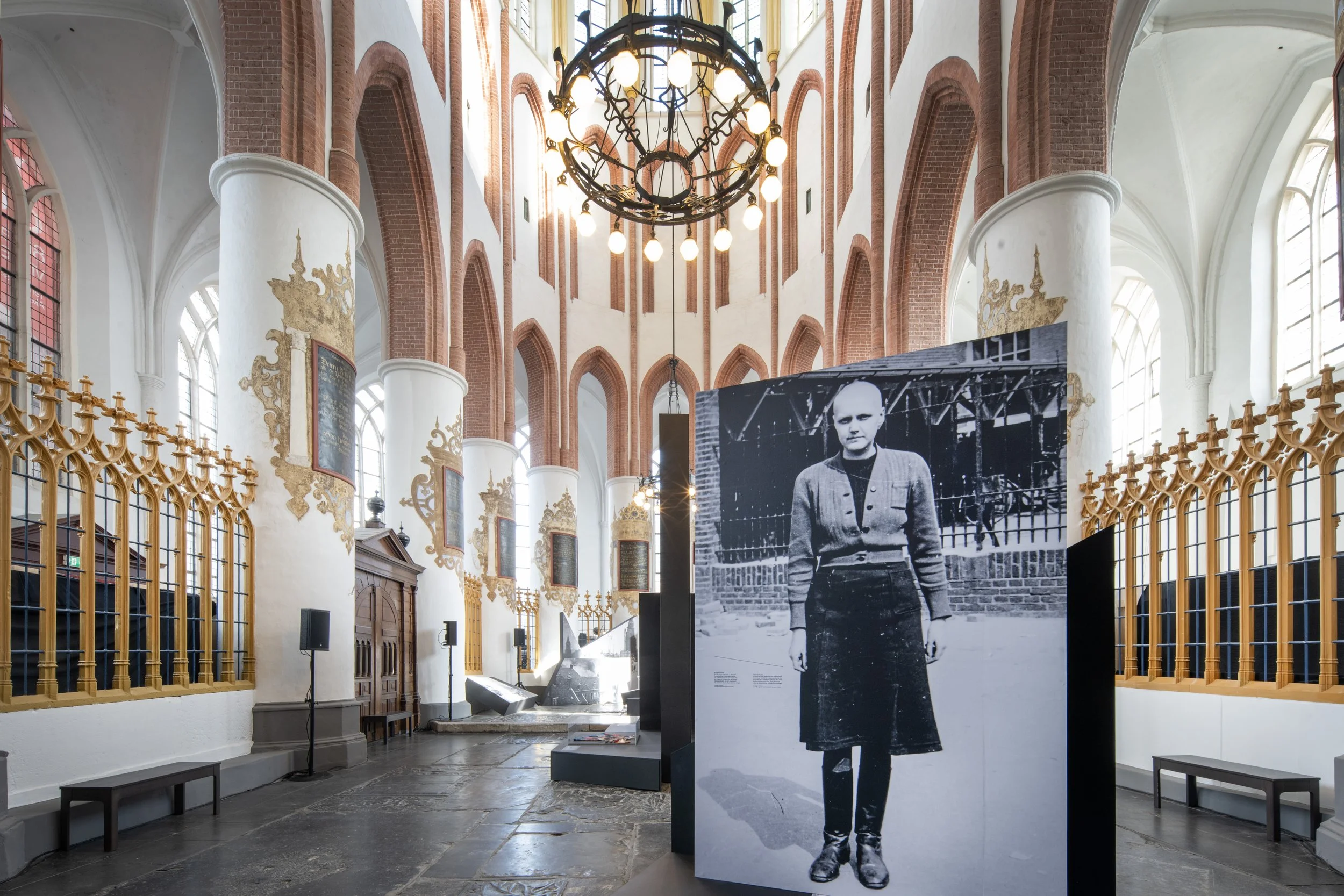
At Oorlog Dichtbij, the framework shaped emotional confrontation inside a World War II heritage exhibition. Silence, spatial pressure and sonic impact placed visitors inside the weight of the subject.
Inside VRelax, the same thinking is applied at healthcare scale. Jelmer Althuis is co-founder and Content Director; Sphere of Sound designs premium immersive sound environments for the app.
With REBOOTH, the method moves into workplace recovery, where short spatial audio-led sessions are developed for cognitive reset in demanding work environments.
The context changes. The method remains focused on state.

How the method
enters a project.
The process usually begins before technical specifications. Not with speakers, formats or software, but with the intended state of the experience.
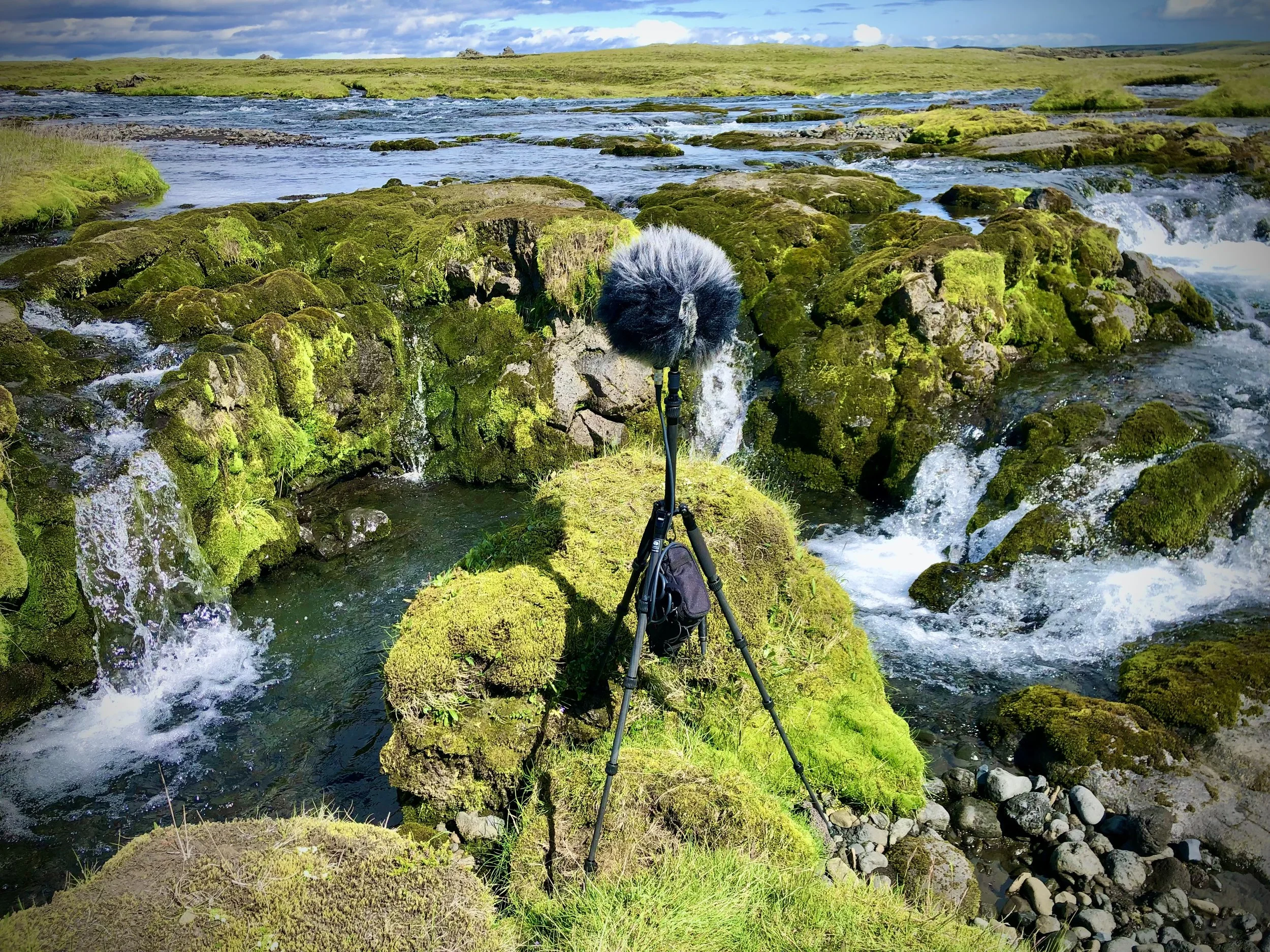
From there, Sphere of Sound develops the sonic strategy, spatial language, dramaturgical structure and production approach. Depending on the project, this can include field recording, spatial composition, voice direction, immersive mixing, implementation and testing.
Every production choice is connected back to the same question.
What state must be reached?
START WITH THE STATE
Before sound is produced,
the state must be understood.
Bring sound into the process before the structure is fixed.